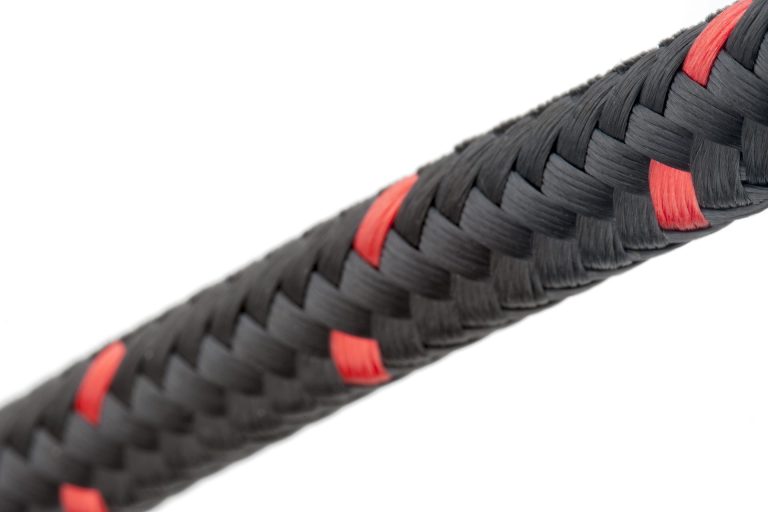
Braid Types & Structural Configurations
Insulated Braids
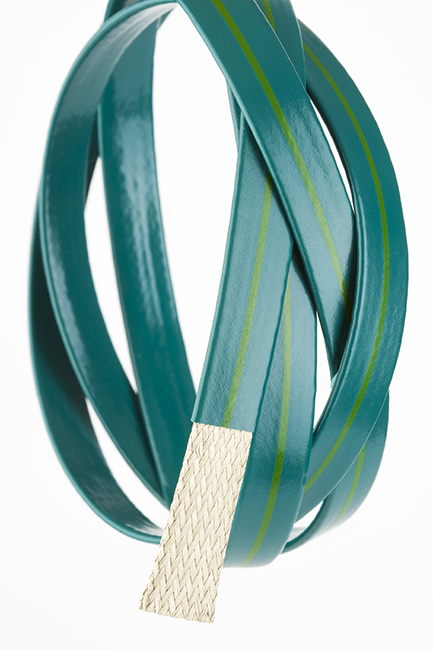
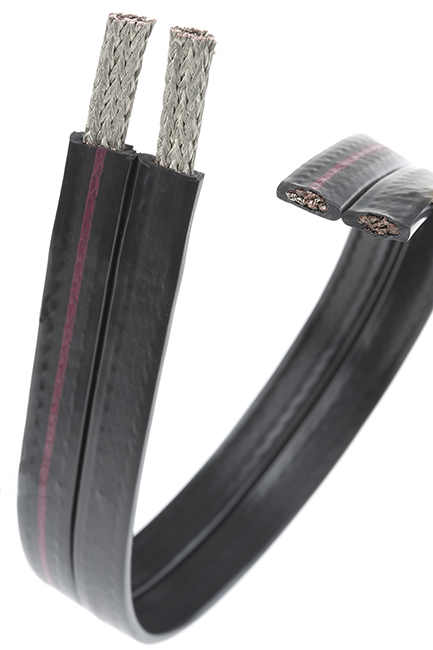
Flat and round braids with extruded insulations for use as ground straps and flat power leads. Typical insulation materials include PVC, TPE, Polyethylene, Polypropylene, Polyurethane, ETFE, FEP, PFA, and Silicone Rubber.
Single Thickness Braids
Non-tubular braids that are half the thickness of standard flat braids including AA59569 used in applications requiring a flat braid of minimum thickness.
Flat Wire Braids
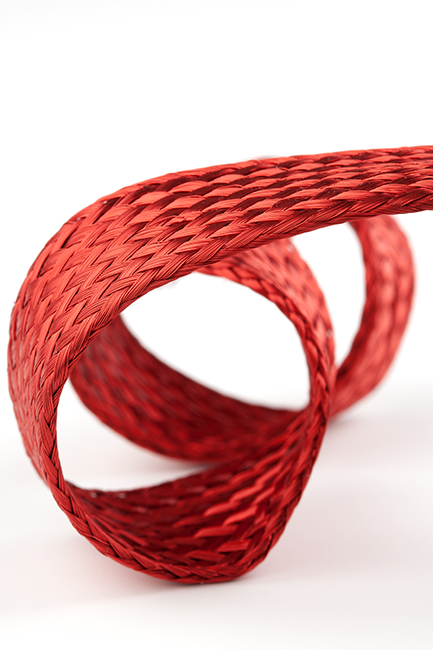
Used for custom low-loss coaxes, miniature coaxes, and braid-reinforced tubing products, flat wire braids are typically manufactured with plated or unplated copper and various stainless steels.
Monofilament Braids
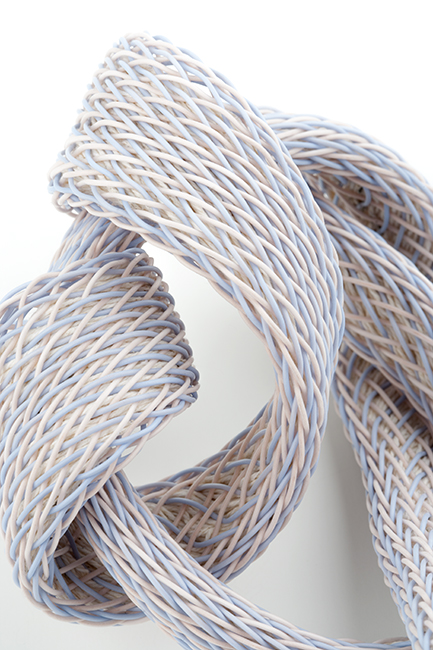
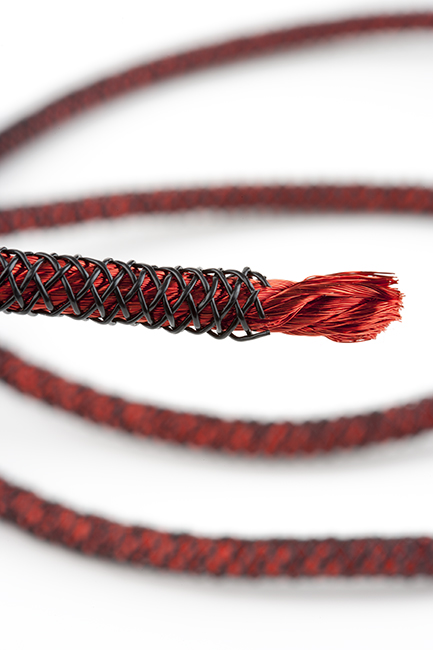
Plastic monofilament braids are used to produce low-capacitance, high-end audio cables and for mechanical protection of multi-conductor cables in lieu of an extruded jacket. Monofilament braids are also used to reinforce medical tubing products used in Magnetic Resonance Imaging (MRI) applications.
Textile, Type 7 Litz & Toll Braid Services
Textile Braids
Commonly applied over Litz wire and formed cable constructions to provide protection from abrasion, textile braids can be manufactured from various materials such as nylon, polyester, cotton, and aramid.
Type 7 Litz Wire
These litz wire constructions feature individually insulated wires braided together and formed into a rectangular profile. These constructions can be provided with an outer insulation of textile yarn, tape, and single or multiple layers of extruded compounds. Learn more about Type 7 Litz constructions here.
Toll Braids
New England Wire will accept customer-supplied core for over-braiding with copper, stainless steel, copper alloys, monofilament, various textiles or other metals.
Special Configurations
These are a few of our most common braid configurations; however, we are always open to discussing your specific requirements and developing a truly custom product for your application.
Engineers Ask: Custom Braids FAQs
Can multiple materials be combined in one braid?
There may be situations where a sub-component shield is one material and an overall shield is another but generally the braid materials are the same within the same construction. Mixing materials doesn’t eliminate or mask the limitations of other materials. For example, if using nickel-plating copper for improved abrasion and temperature resistance, also using bare copper for improved conductivity is not a great option as the bare copper will be exposed to conditions that will cause premature failure in such environments that nickel-plated copper is designed to withstand. In other words, the overall success of your cable is limited by its most vulnerable part or material.
How does braid angle affect flexibility?
The higher the braid angle, the more flexible the cable will be. Lower braid angles are less flexible but offer good longitudinal strength. The braid density will also have an effect on flexibility.
What does braid percent coverage mean?
Percent coverage refers to the amount of surface area the braid covers over the underlying component. So, a braid with 90% coverage means that all but 10% of the surface underneath the braid is shielded. High braid coverage can provide more durability but also may reduce flexibility.
Should I choose a tubular, flat, round, or oval braid?
This is more a question of use. Generally, braids produced without a core will be tubular, flat, or oval and are used as shielding braids. They can be cut to length and opened by pushing back the braid and slipping it over a wire bundle, for example. Many times, braids are used as grounding straps given the ability to scale size for needed amperage and flexibility during installation or use. In such cases, the braid is often flat. Braids that are produced over a construction are generally round or conform to the shape of the component they are applied over.