Tubular & Oval Braid Construction for RFI/EMI & Mechanical Protection
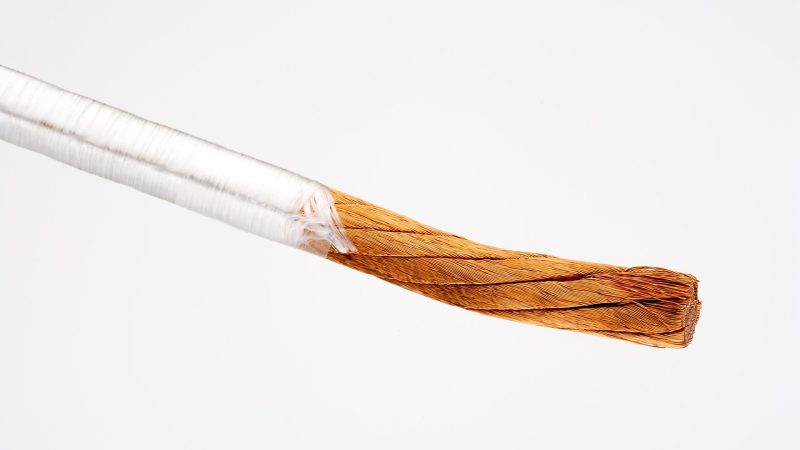
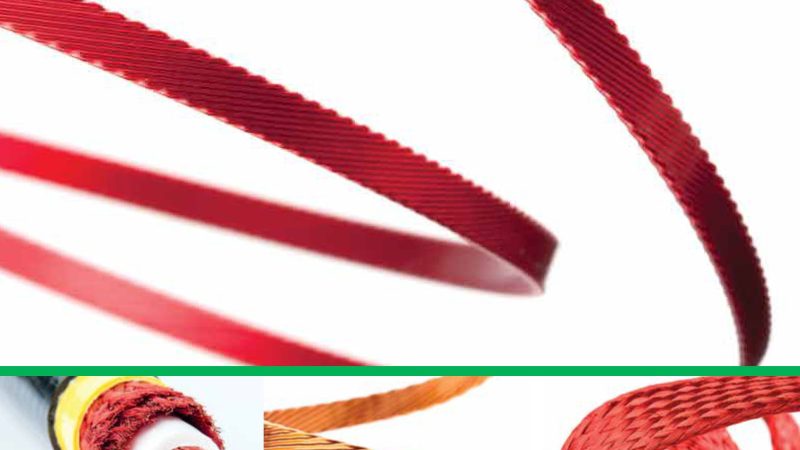
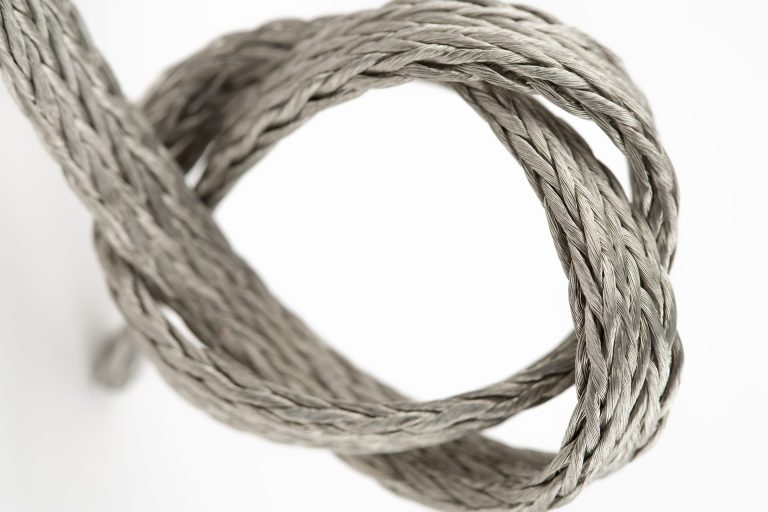
These braided constructions are manufactured in tubular or oval form and are normally placed by the customer over single or multi-conductor cables in order to reduce or eliminate Radio Frequency Interference (RFI)/Electro Magnetic Interference (EMI).
Shielding braids are also commonly used as shielding for mechanical protection in single and multi-conductor cables.
Conductor Metal & Alloy Options
New England Wire Technologies manufactures shielding braids from either:
- Bare copper
- Tinned copper
- Silver-plated copper
- Nickel-plated copper
- Monel®
- Various stainless steels
- High strength alloys or other metals
Engineers Ask: Shielding Braids FAQs
Is 80%, 90%, or 95% coverage enough? Is higher coverage always better?
Generally, yes, the higher the coverage the better the shielding effectiveness. That said, not all applications need 100% coverage. Those requiring 100% are applications for high frequency at 100 MHz and above. For lower frequencies under 100 MHz, braided shields with 80% to 95% coverage will provide adequate shielding and offer a more flexible and mechanically durable braid over a foil shield which can offer 100% coverage.
Can I achieve 100% coverage with a braided shield?
No. There will always be some gaps in braided shield coverage. For applications that require 100% coverage, a foil shield is recommended.
How does braid angle, wire diameter, and picks per inch affect braided shield coverage?
There are many factors that impact braid design and in turn braid characteristics such as coverage, braid angle, picks per inch, and more. A good starting point is to use the same AWG wire as your conductors, then look at diameter and desired coverage. You don’t want too many wires or they will bunch up and not lay smooth. Considerations must also be given for the number of carriers (i.e. – 8, 12, 16, or 24). If the braid angle is too low the braid will likely bunch up when the cable is flexed. Too high an angle and the braid will have gaps, be loose when flexed, or open. In the end, there are some sweet spots to designing the right braid, and we have a lot of experience in this area, so reach out and we would be happy to assist.
Does frequency affect the required shielding construction?
Absolutely, as surrounding frequencies increase, so should coverage. You want to ensure your shielding is effective in environments with high ambient noise.
How does bending or flexing affect coverage?
There are three typical types of shielding – braid, spiral, and foil. Not only does each have benefits and considerations in terms of shielding effectiveness, but also mechanically. A spiral shield will be the most flexible when bending, but if exposed to dynamic flexing, it can open over time which reduces coverage. A braid offers durable mechanical strength and is generally flexible when bending. Lastly, a foil, which offers 100% shield coverage, will be stiff and does not bend well, and isn’t recommended for repeated flexing applications.